Public Intelligence VI: A Commons Approach to AI


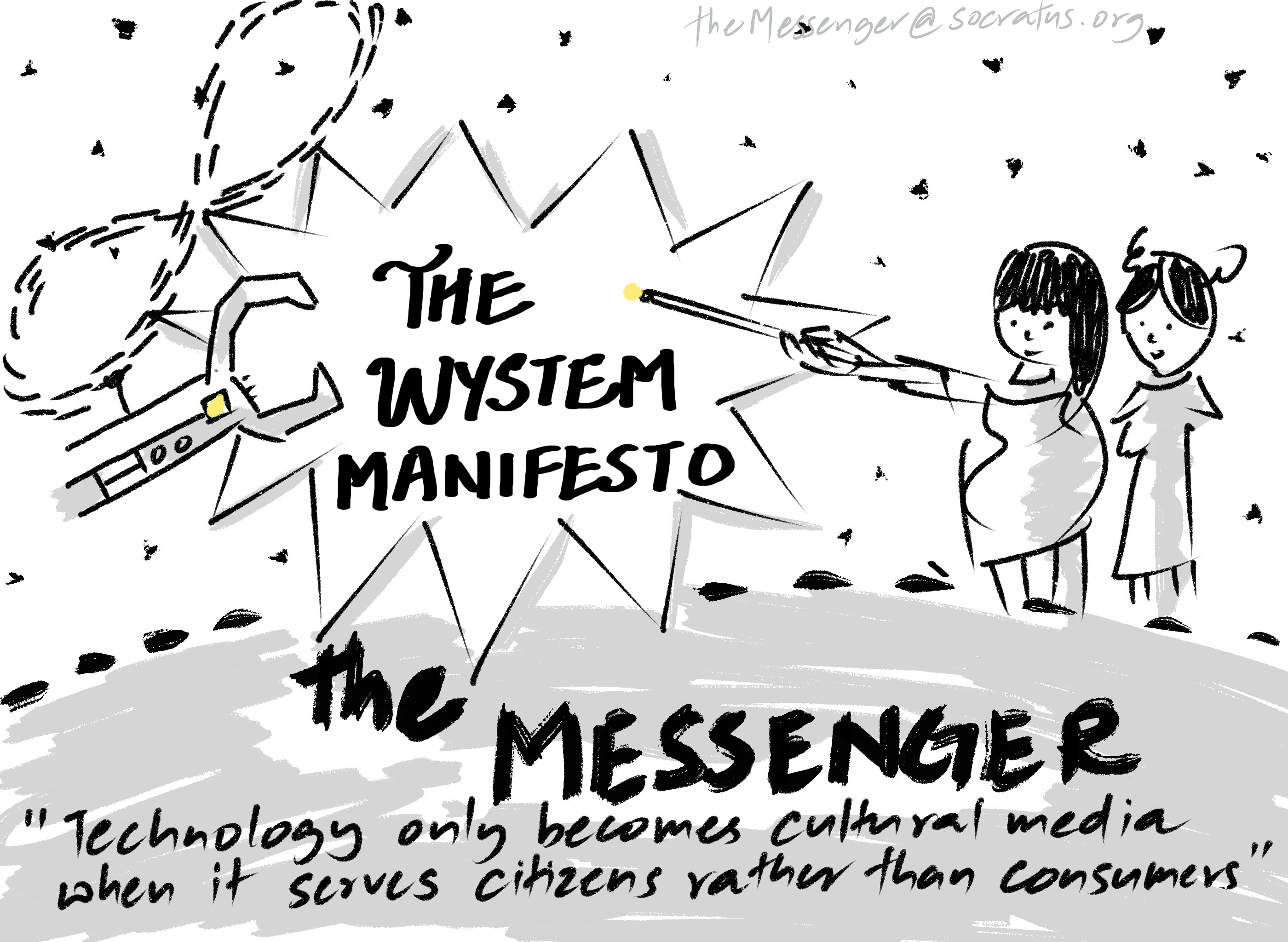
In this last essay in the Public Intelligence series, we come back to the beginning and share our take on ‘AI for the common good’
We started writing the Public Intelligence series soon after the AI Summit in Delhi ended. Heads of State flew in. Multinationals signed deals. Photos were taken. The dominant question in the air was: what role will India play in the age of AI, besides importing robots from China and calling them your own. The answer, broadly, was the application layer - not the foundation models, not the chips, but the layer on top where AI gets built into products and services.
We think that’s the right answer, but the framing is still too small. The application layer shouldn’t be thought of as the less prestigious tier of the AI stack, the frosting on someone else’s cake. Consider what we actually mean when we talk about a newspaper or a novel. Both are, technically, applications built on top of printing technology. But nobody thinks of them that way. We think of them as cultural media - ways humans organize knowledge, tell stories, and make sense of the world together.
The question we want to ask is whether AI can be the same kind of thing. Can AI become a tool for sensemaking in public?
What it is
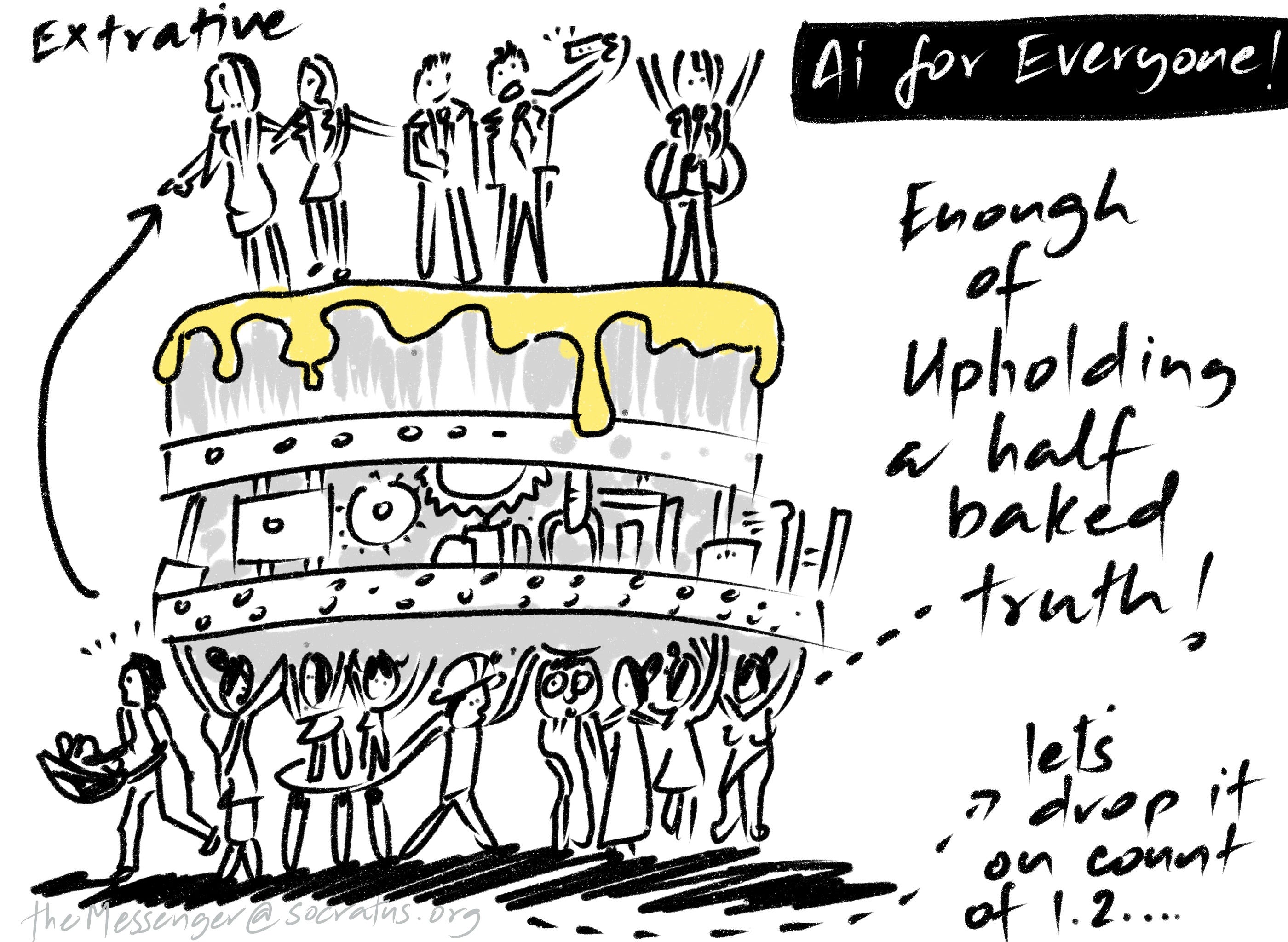
Public Intelligence is the use of AI for public good, something that belongs to everyone who contributes to it and benefits from it. Commercial AI is designed to extract value from its users. Well-intentioned AI run by nonprofits is still often top-down: experts deciding what communities need and building tools accordingly. Public Intelligence starts from the conviction that the people experiencing a problem are already custodians of the most important knowledge about it, and that the technology’s job is to help that knowledge connect and circulate.
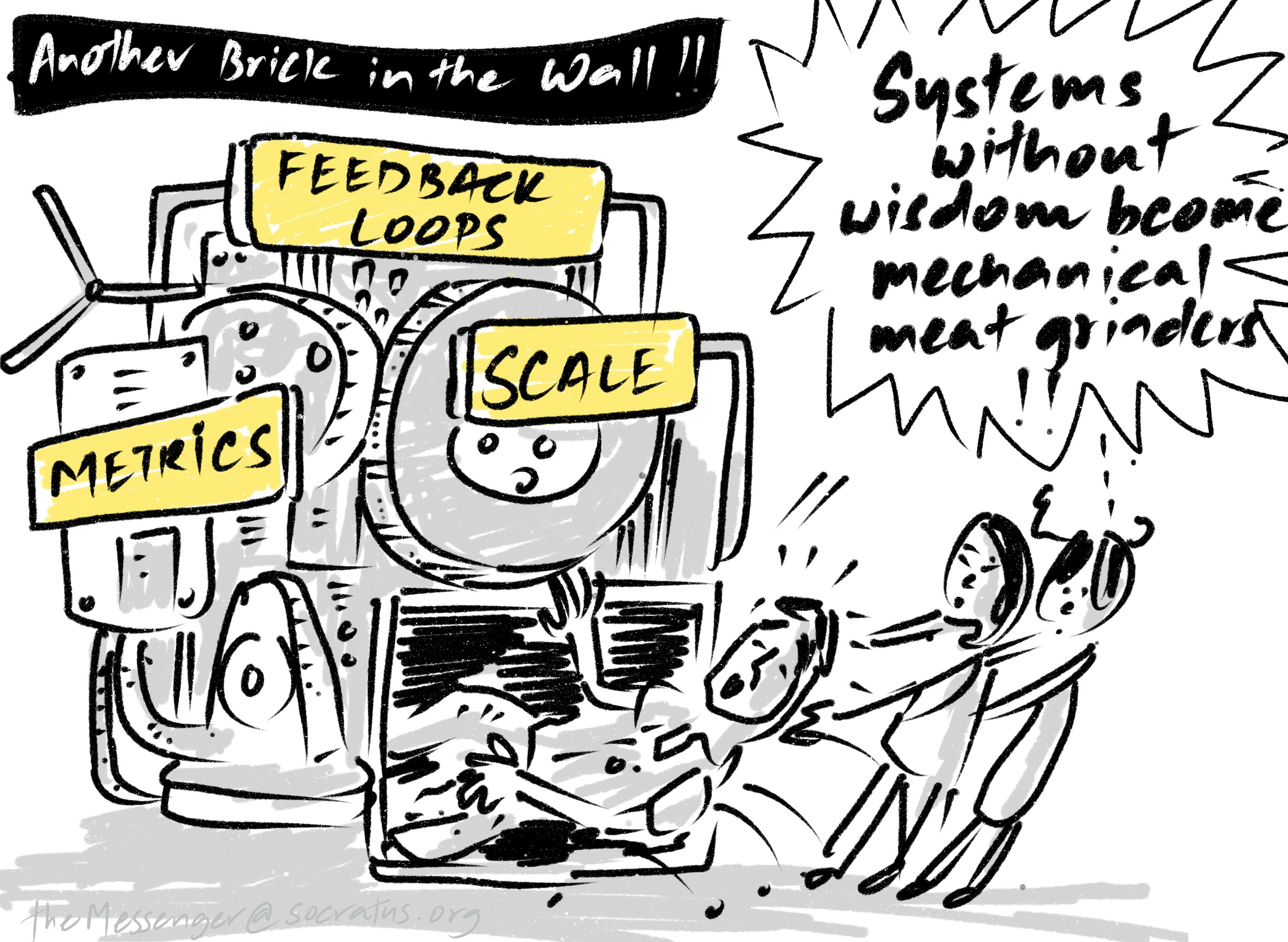
At Socratus, we think about this through the lens of what we call the Wystem - a portmanteau of wisdom and systems. The Wystem is designed to resist two incomplete ways of thinking about collective action. Systems thinking without wisdom becomes mechanical, obsessed with feedback loops but indifferent to whose knowledge is in the system and whose is excluded. Wisdom without systems remains anecdotal, unable to travel from one context to another or to influence decisions at scale. The Wystem insists on both: what kind of knowledge, held by whom, would make this system more capable of responding to genuinely hard problems?
The problem it addresses
India, and much of the Global South, faces interlocking wicked problems such as climate disruption, agrarian distress, urban inequality, and failing public health infrastructure. These problems are interconnected and resist simple solutions. But they also share a less-discussed characteristic: the people living inside them know things that the people trying to solve them don’t.
A farmer knows when and how the rains have shifted. A fisherwoman knows which coastlines are changing. A community that has tried twenty different approaches to water conservation knows which three actually worked and why the others failed. This is irreplaceable knowledge. And yet the mechanisms we have built for gathering it at scale like surveys, elections, public consultations, are slow, extractive, and tend to strip away precisely the texture that makes knowledge usable.
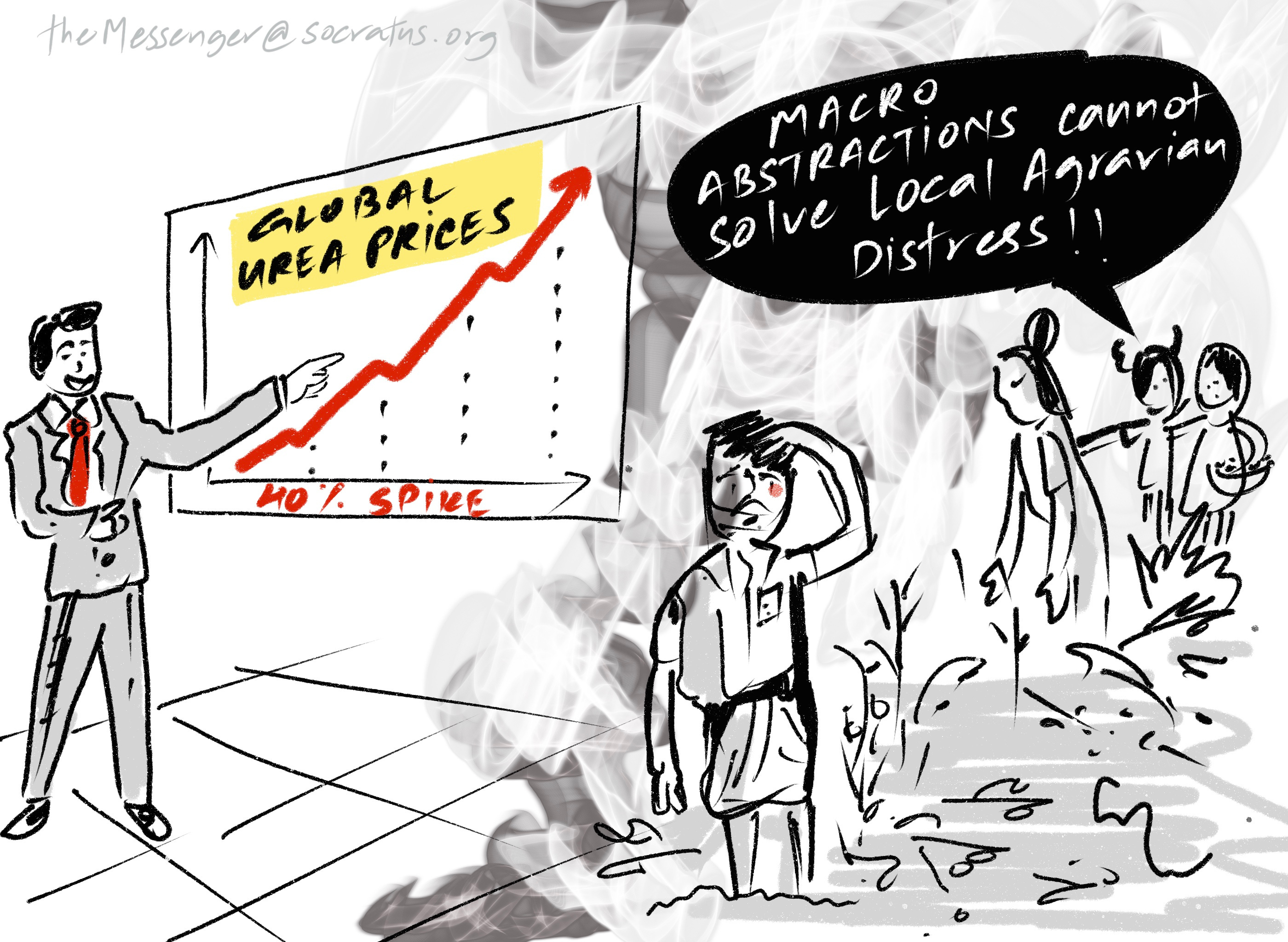
This is not to romanticise the local, for the gap runs in the other direction too. When urea prices spiked 30-40% in a fortnight earlier this year, driven by the war against Iran disrupting shipping through the Strait of Hormuz, general news covered it as a macroeconomic event. But a paddy farmer in Punjab and a sugarcane farmer in Mandya are not a mass audience. They have entirely different input structures, different market access, and different alternatives available to them. The information they each need to make good decisions about the coming Kharif season is specific to their situation, and no existing medium provides it
.
Public Intelligence is our attempt to close both gaps.
The ethical architecture
Before describing the tools we have built, a few words about the commitments that shape them, because our ethics are translated into design decisions, not just abstract values that stay in the background.
The first is that knowledge belongs to the people who hold it. Socrates, the original, described himself as a midwife of wisdom: not himself wise, but capable of drawing out the wisdom of the people he talked to. That’s our orientation too (and it’s in our name!). The technology isn’t there to improve communities or teach them things. It’s there to surface what they already know and help it reach the people and places that need it.
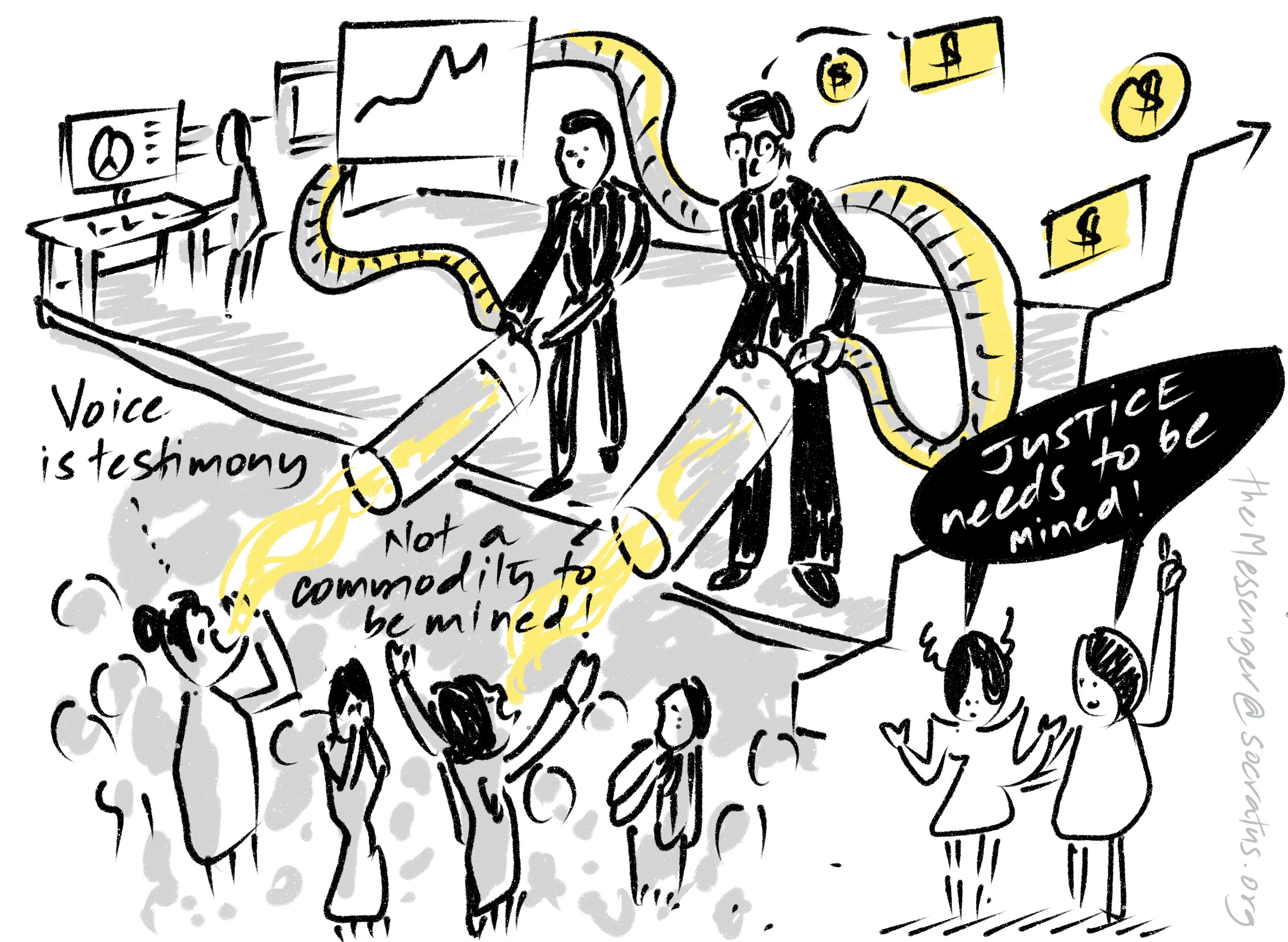
The second is that voice is testimony, not data. A recorded voice carries emotional texture, local specificity, the accumulated weight of lived experience. When we process it into a tag or a cluster, we gain something and lose something. Good design tries to preserve what matters while making knowledge navigable at scale.
The third is ‘inclusion by design’. A platform that requires fluency in English, proficiency in typing, or a stable broadband connection is not a neutral tool - it’s a tool that excludes, by default, the people with the most valuable local knowledge. Voice-first, multilingual, mobile-first design is a political commitment as much as a technical one.
The fourth, and perhaps the most important: trust is everything. The same technologies that can surface collective wisdom can also extract it, surveil it, and commodify it. AI makes it easier to aggregate and analyze knowledge at scale, which means the governance of that knowledge - who owns it, who can access it, what it can be used for - becomes more important, not less. The willingness of people to share their real knowledge cannot be manufactured by better algorithms. It has to be earned through governance that is genuinely accountable.
Three tools
VoiceReport, LOKA, and Mycelium are our three tools. They are designed to work together as intake nodes for the same knowledge infrastructure.
VoiceReport is a voice-first, multilingual civic platform. A user can record a message about a community problem in their mother tongue, whether that’s Hindi, Tamil, Odia, and many other languages of India. The platform processes that recording through transcription and natural language pipelines and makes it available as what we call an EPI object - Ecological Programming Interface, our term for a standardized, actionable unit of local knowledge that panchayats, NGOs, researchers, and other actors can subscribe to and act on.
LOKA, which stands for Local Open Knowledge Access, is the spatial layer. Places are thick with memory, ecology, hazard, craft, and civic life, but most of that knowledge remains invisible, dispersed across the people who inhabit those places. LOKA allows users to geo-tag what they notice, such as a drying lake, a hidden shrine, an unsafe manhole, a local seller, a biodiversity hotspot - and discover what others have already tagged nearby. The logic is the same as VoiceReport: lower the barrier to contribution, treat ordinary perception as valuable, and make the local more readable to itself.
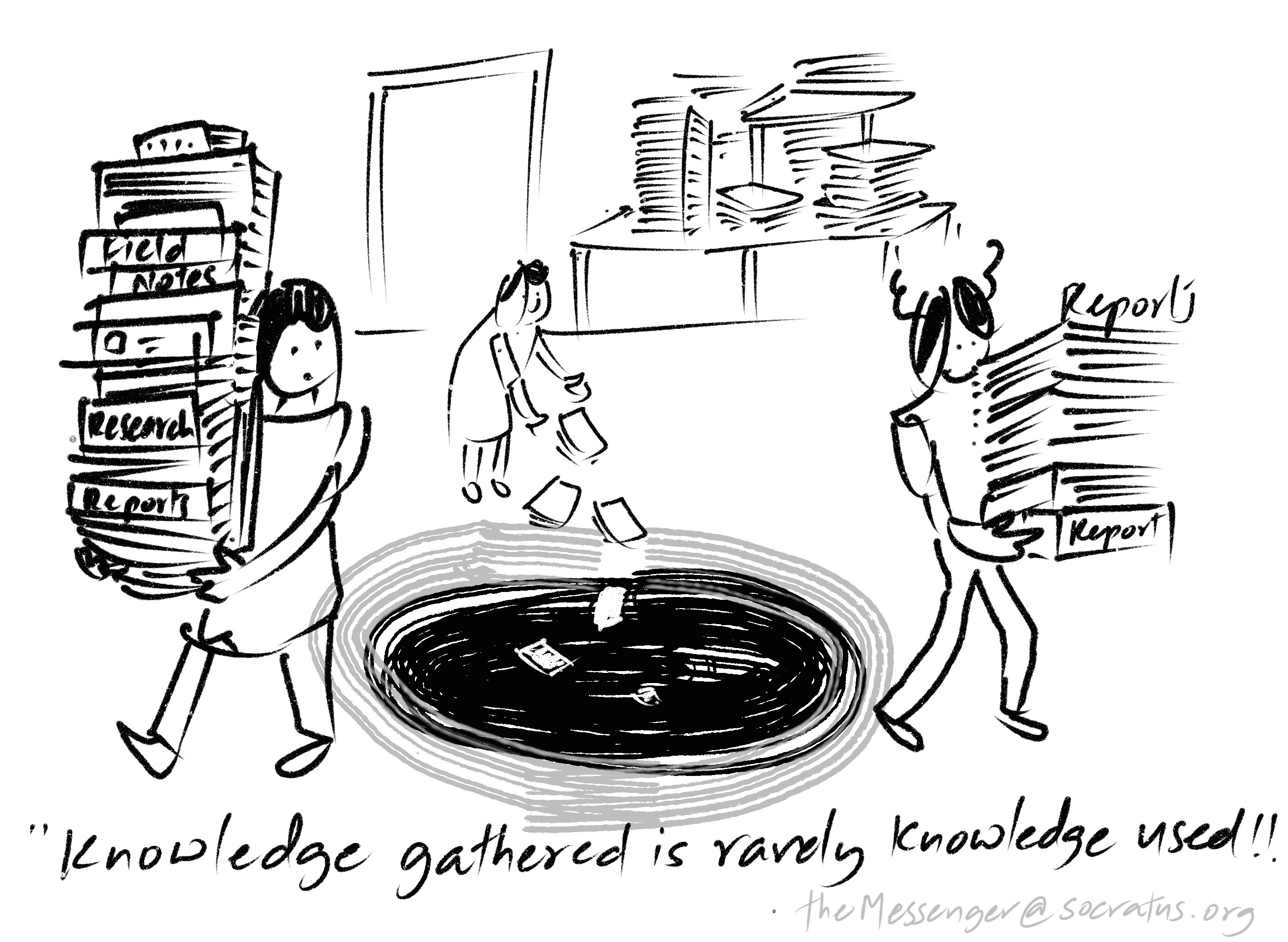
Mycelium is the connective tissue. We named it after the fungal networks that thread through forest soil, connecting trees that appear to stand alone, passing nutrients and signals through a distributed system with no center and no hierarchy. The problem Mycelium addresses is one we see across mission-driven organizations everywhere, that knowledge gathered is not the same as knowledge used. Field notes live in the memories of staff who eventually leave. The patterns across years of fieldwork rarely get synthesized into anything actionable. Reports get filed and forgotten.
Mycelium allows organizations to ingest their existing knowledge, be it documents, field notes, deliberation transcripts or research, and interact with it conversationally. A new researcher can ask “what have we learned about women’s access to markets in Odisha?” and get a synthesized answer drawn from the full body of accumulated material. Partners can surface relevant learnings from each other’s work without reading everything the other organization has ever produced. And Mycelium draws on the streams coming from VoiceReport and LOKA, grounding organizational analysis in what communities are actually saying rather than in abstractions.
Together, these three tools describe a loop: sense, synthesize, deliberate, design, deploy, learn. The Wystem loop closes when local knowledge can travel abroad, influence decisions at a higher scale, and return to the communities that generated it in a form they can use.
What happens when you actually listen
We have deployed VoiceReport through two initiatives, and what has come back is worth sitting with.
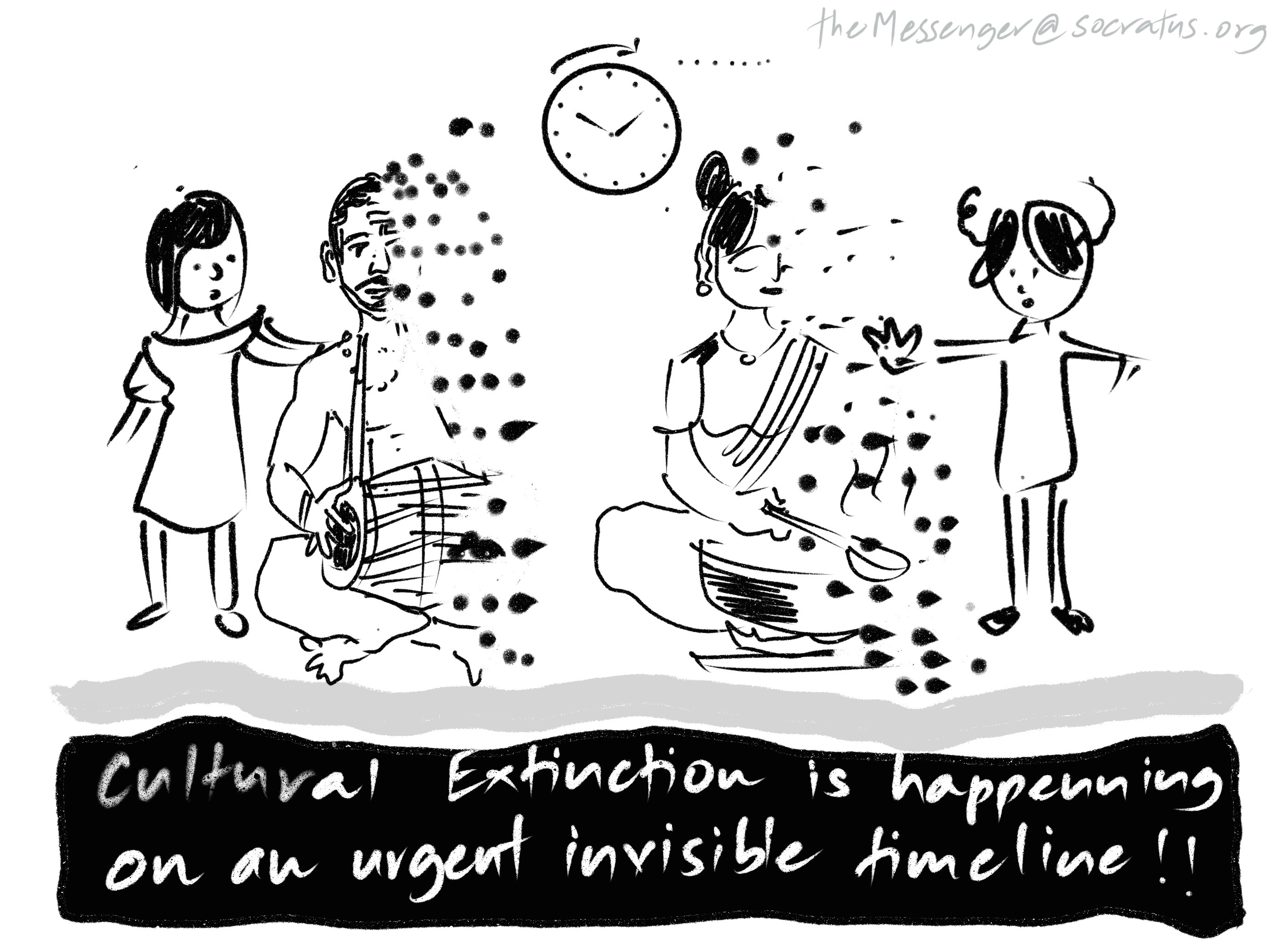
Through the Indigenous Yatra, an initiative of the Atmashakti Trust, thousands of citizens across Odisha, Chhattisgarh, and Madhya Pradesh have spoken into the platform. The fear that comes through most strongly is cultural extinction with a specific timeline. S. Guruteli from Malkangiri, Odisha, says that within twenty years, if nothing changes, dance, music, and forests will all be gone. Sunil Oraon from Jharkhand names the same horizon independently - twenty years before language, indigenous seeds, and traditional instruments like the Madar and Nagara vanish. Incidentally, those aligned worries would be invisible in a typical survey.
But these communities aren’t just voicing a fear; they are also proposing a solution - Gobardhan Pangi describes the Dhumkudia, a traditional tribal youth dormitory and learning center, as an “essential for teaching traditional forest and tribal knowledge from elders and passing it on to the next generation.” The ask is for a modernized version of something that already exists and has already worked.
When women in these communities were asked what they would do with ₹20,000, they answered with specific plans. Pushpalata Surtange would start a business selling Nadda papad and murukku in her own village. Laxmi Bagh would start goat farming through her women’s group. Ram Kumari would open a small shop and grow it into a family business. These are business plans from people who have already thought through what’s locally available and what’s viable.
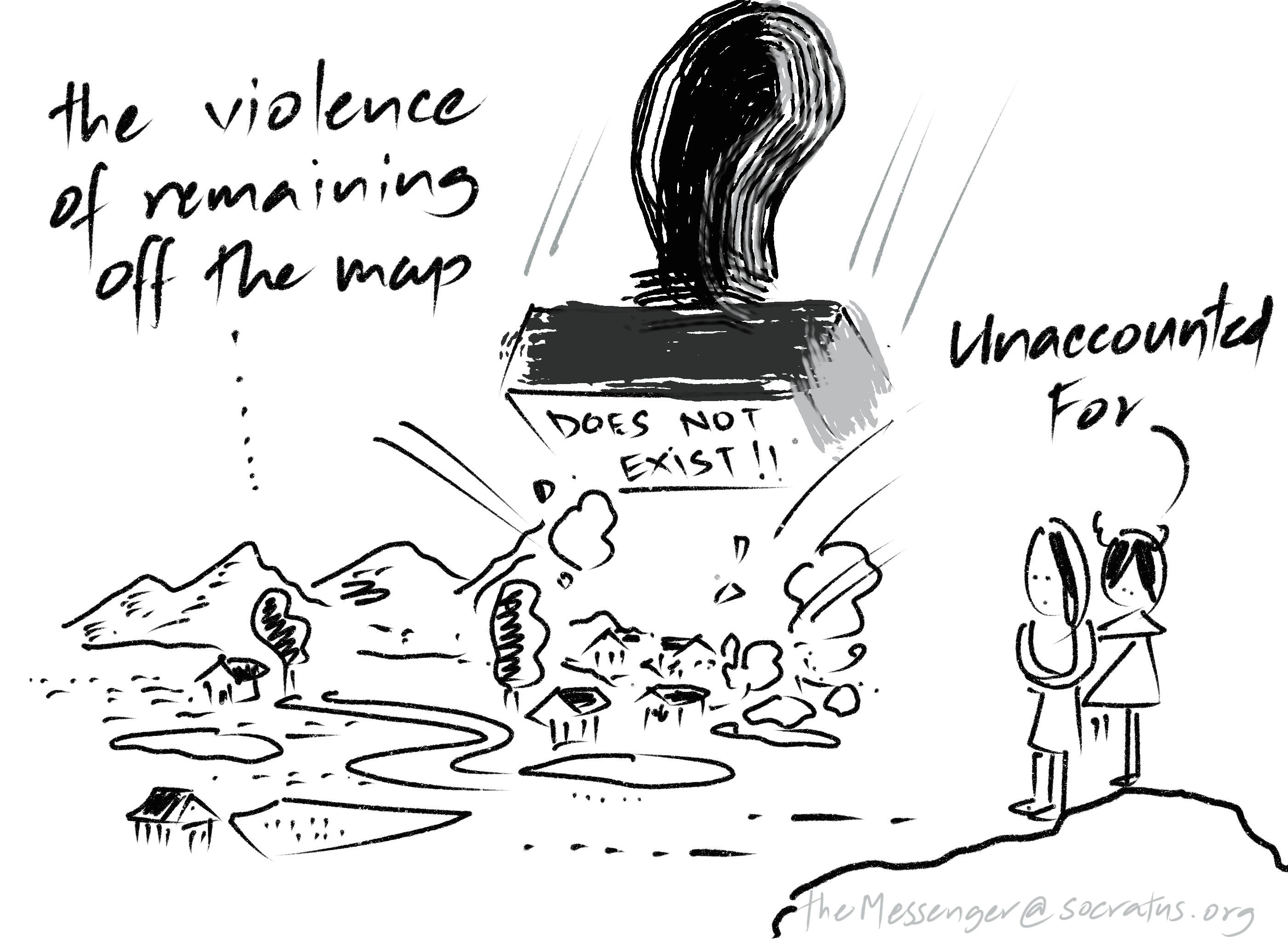
Through Melukote Vani in Karnataka, we are seeing a different kind of use. Citizens of Hosasayappanahalli are using the platform to demand that their village be put on the map. Their ancestors were displaced when the KRS Dam was built decades ago. Generations later, the village has no official existence in government records, which means no irrigation, no healthcare, no development programs. The platform gives them a channel to make that demand publicly and persistently. Anantharaju C.N. reports that the Chandagalu government primary school has no electricity, despite repeated requests to the Gram Panchayat. Kumar from Balighatta documents that laborers earning ₹400 a day are spending ₹300 of it on black-market alcohol sold by storekeepers the Panchayat fines and ignores. Alongside these grievances, a resident named DP is proposing weekly farmers’ meetings to share modern agricultural methods. Anusha posts that she got an electrical engineering job at a job fair.
A wisdom commons should reveal the full spectrum of ideas and opinions in the community; not only complaints (which can’t be avoided), but a community in its full glory - its problems, its capacity, its wins, its frustrations, its ideas.
What remains
In all honesty, the Wystem is not yet the seamlessly integrated intelligence fabric we describe in our more ambitious moments. The link between global urea prices and a specific farmer’s cost calculation in Mandya doesn’t exist yet. The system that routes climate adaptation knowledge from Bhil communities to urban planners in Chennai grappling with related problems is a vision, not a product.
But the history of useful technology is a history of iteration, of building in public, of learning from what doesn’t work. Print technology got better over centuries, but newspapers existed long before the printing press was perfected. The same reframing is available to us now. The application layer of AI - the layer that serves citizens rather than consumers, that is governed by common source principles rather than extraction, is where the most consequential work of the coming decade will happen. Not just in foundation model labs, but in the fieldwork of organizations like Atmashakti Trust, in the civic spaces created by platforms like Melukote Vani, in the patient accumulation of community knowledge that VoiceReport and LOKA and Mycelium are designed to support.
Can a Bengaluru ward and a Bundelkhand block learn from each other in weeks rather than years? Can a woman in Malkangiri who knows what is happening to her forest channel her wisdom into the hands of the forest department, and be acknowledged for her contributions?
These are some of the reasons to build Public Intelligence.